
cricket match regulations are the backbone of every cricket game, whether it’s a casual street match, a domestic league fixture, or a high-stakes international tournament watched by millions. Without these regulations, cricket would lose its structure, fairness, and global consistency.
Cricket is one of the few sports where rules are deeply rooted in tradition yet constantly evolving to match modern demands. From the size of the pitch to the role of umpires and technology, every detail is governed by strict regulations that ensure fairness, safety, and competitive balance.
In this in-depth guide, we will explore how cricket match rules work, why they matter, and how they shape the game at every level—from local clubs to the ICC World Cup.
Understanding the Foundations of Cricket Match Rules
Cricket regulations are governed by the Laws of Cricket, originally drafted by the Marylebone Cricket Club (MCC) and adopted worldwide. These laws are updated regularly to reflect changes in playing conditions, technology, and player behavior.
Unlike many sports, cricket is played in multiple formats—Test, One Day International (ODI), and Twenty20 (T20)—each with unique playing conditions layered on top of the core laws. This combination of tradition and innovation makes cricket one of the most complex and fascinating sports globally.
Every regulation serves a purpose, whether it’s preventing unfair advantage, ensuring player safety, or maintaining the spirit of the game.
cricket match regulations and the Structure of the Game
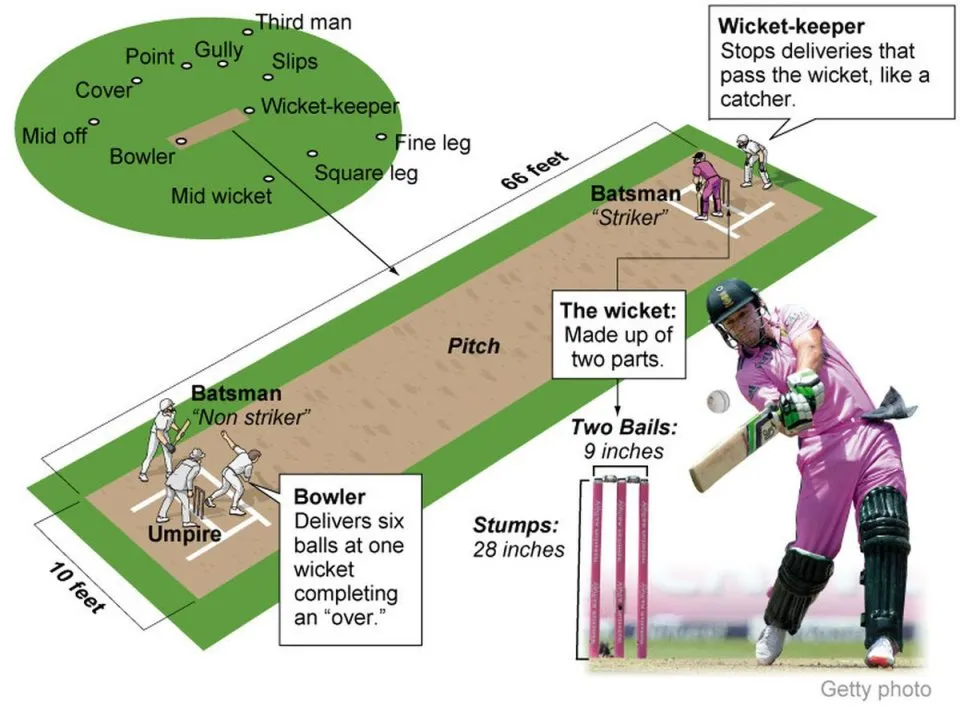
At the heart of cricket regulations is the match structure. A standard cricket match involves two teams, each with eleven players. The match is played on a rectangular pitch with wickets at both ends, surrounded by a circular or oval boundary.
The objective is simple: score more runs than the opponent while dismissing their batsmen. However, the way this objective is achieved varies by format.
In Test matches, teams can bat twice with no limit on overs, while in limited-overs formats like ODI and T20, each team faces a fixed number of overs. This variation requires different strategies, and regulations ensure fairness across formats.
For example, powerplay rules in limited-overs cricket dictate fielding restrictions, adding excitement and encouraging aggressive batting.
Roles and Responsibilities of Players
Cricket regulations clearly define the roles of players. Each team consists of batsmen, bowlers, all-rounders, and a wicketkeeper. While players can perform multiple roles, certain responsibilities are regulated.
Bowlers must deliver the ball with a straight arm, ensuring fairness and preventing throwing. Batsmen must follow rules for scoring runs and avoiding obstructing the field. The wicketkeeper has specific restrictions on where they can stand and how they can collect the ball.
These regulations maintain a level playing field and prevent teams from exploiting loopholes.
The Pitch, Ground, and Equipment Regulations
The pitch is the most critical part of a cricket match. Regulations specify that the pitch must be 22 yards long and prepared to ensure consistent bounce and pace. Groundsmen play a crucial role in maintaining pitch quality, which can influence match outcomes significantly.
Equipment regulations are equally strict. Bats must meet size and material specifications, balls must conform to weight and circumference standards, and protective gear must meet safety guidelines.
These rules ensure that no team gains an unfair advantage through equipment manipulation.
Umpires and Match Officials
Umpires are the guardians of cricket regulations on the field. Two on-field umpires, a third umpire, and a match referee oversee every aspect of the game. Their decisions are final, although technology has introduced review systems.
The Decision Review System (DRS) allows teams to challenge certain decisions using ball-tracking and edge-detection technology. This innovation has improved accuracy and fairness, making modern cricket more transparent.
cricket match regulations in Different Formats
Cricket is unique in that the same sport is played in drastically different formats. Regulations adapt to each format while maintaining the core laws.
In Test cricket, matches can last up to five days, and regulations emphasize endurance, strategy, and sportsmanship. There are no over limits, and draws are possible.
In ODIs, each team faces 50 overs, and regulations focus on maintaining balance between bat and ball. Fielding restrictions and powerplays are carefully regulated.
In T20 cricket, matches last around three hours, and regulations are designed to maximize entertainment, including shorter boundaries and strategic time-outs.
Each format has its own playing conditions, but all are rooted in the same fundamental laws.
Scoring Runs and Dismissals
Scoring runs is the primary objective of cricket, and regulations define how runs are counted. Runs can be scored by running between wickets, hitting boundaries, or through extras such as wides, no-balls, and byes.
Dismissals are equally regulated. A batsman can be out in several ways, including bowled, caught, leg before wicket (LBW), run out, stumped, and hit wicket. Each dismissal method has precise definitions to prevent confusion and disputes.
These rules ensure clarity and consistency across matches worldwide.
Powerplays, Fielding Restrictions, and Tactical Rules
Modern cricket regulations include tactical elements designed to balance the contest between bat and ball. Powerplays restrict the number of fielders outside the inner circle, encouraging aggressive batting.
Fielding restrictions, mandatory overs from certain bowlers, and limits on bouncers and beamers are designed to maintain player safety and competitive fairness.
These tactical rules have transformed limited-overs cricket into a highly strategic and entertaining sport.
Fair Play and the Spirit of Cricket
One of the most unique aspects of cricket is the emphasis on the “Spirit of Cricket.” Regulations go beyond technical rules and include ethical guidelines. Players are expected to uphold sportsmanship, respect opponents, and accept umpiring decisions.
The ICC Code of Conduct outlines penalties for misconduct, including fines, suspensions, and demerit points. This ensures that players maintain professionalism and integrity on and off the field.
The spirit of cricket is what sets the sport apart, blending competition with respect.
Technology and Modern Cricket Regulations
Technology has become an integral part of modern cricket. Regulations govern the use of Hawk-Eye, UltraEdge, and other tools used in decision-making.
The introduction of DRS has reduced umpiring errors and increased transparency. Regulations also cover the use of LED bails, pitch monitoring systems, and player tracking technology.
As technology evolves, cricket regulations continue to adapt, ensuring the game remains fair and modern.
Weather, Light, and Playing Conditions
Cricket is heavily influenced by weather and light conditions. Regulations define when play should be stopped due to rain, poor light, or dangerous conditions.
Duckworth-Lewis-Stern (DLS) method is used in limited-overs matches to calculate revised targets in rain-affected games. This system ensures fairness when matches are interrupted.
Playing conditions also include rules for reserve days, bad light protocols, and pitch inspections.
Safety Regulations in Cricket
Player safety is a top priority in cricket. Regulations cover protective equipment, concussion protocols, and dangerous bowling practices.
Bouncers are limited per over in limited-overs cricket, and beamers (full tosses above waist height) are penalized. Helmets, pads, and gloves must meet safety standards to protect players from injury.
Concussion substitutes are now allowed in international cricket, reflecting a growing emphasis on player health.
cricket match regulations in Domestic and International Cricket
Domestic leagues often follow ICC regulations with slight modifications. However, international matches strictly adhere to ICC playing conditions.
For example, the Indian Premier League (IPL) follows ICC laws but includes tournament-specific regulations such as strategic time-outs and player auctions.
International cricket regulations ensure uniformity across countries, allowing teams to compete on equal terms regardless of location.
Role of the International Cricket Council (ICC)
The ICC is the global governing body responsible for international cricket regulations. It works closely with the MCC to update the Laws of Cricket and issue playing conditions for international matches.
The ICC also oversees anti-corruption measures, anti-doping policies, and global tournaments. Its role is crucial in maintaining the integrity and growth of the sport.
Historical Evolution of Cricket Rules
Cricket regulations have evolved significantly since the 18th century. Early cricket had underarm bowling, no protective gear, and fewer standardized rules.
Over time, overarm bowling was legalized, protective equipment was introduced, and match formats expanded. The introduction of limited-overs cricket in the 20th century revolutionized the sport, leading to new regulations for faster gameplay.
Today’s regulations reflect centuries of evolution, blending tradition with innovation.
Real-Life Example: How Regulations Shape Matches
Imagine a high-pressure ODI match where rain interrupts play. Without regulations like DLS, determining a fair target would be impossible. The system recalculates the target based on overs lost, ensuring both teams have a fair chance.
Similarly, powerplay rules have changed match strategies dramatically. Teams often plan their innings around powerplays, exploiting fielding restrictions to maximize scoring.
These real-life examples show how regulations directly influence match outcomes and strategies.
Ethics, Discipline, and Match Fixing Regulations
Cricket regulations also cover ethical issues such as match-fixing, betting, and corruption. The ICC Anti-Corruption Unit monitors players, officials, and matches to prevent illegal activities.
Strict penalties, including lifetime bans, are imposed on those found guilty of corruption. These regulations are essential to maintaining trust in the sport.
Future Trends in Cricket Regulations
Cricket is constantly evolving, and regulations will continue to adapt. Innovations like shorter formats, hybrid pitches, and advanced analytics are likely to influence future rules.
Discussions about four-day Tests, new powerplay structures, and player workload management are ongoing. The goal is to keep cricket competitive, entertaining, and sustainable in the modern era.
Why Understanding Cricket Regulations Matters
For fans, understanding cricket regulations enhances the viewing experience. Knowing why a batsman is out or how a target is revised makes the game more engaging.
For players and coaches, regulations guide strategy, training, and match preparation. For administrators, they ensure fairness, safety, and global consistency.
Whether you are a casual fan or an aspiring cricketer, knowledge of cricket rules deepens your appreciation of the sport.
cricket match regulations are more than just rules; they are the framework that defines cricket as a sport. From the pitch to the players, from technology to ethics, every aspect of the game is governed by carefully crafted laws that ensure fairness, safety, and excitement.
As cricket continues to grow worldwide, these regulations will remain the foundation that keeps the game structured, competitive, and true to its spirit.
Read also:-
pakistan national cricket team vs bangladesh national cricket team match scorecard
new zealand national cricket team vs pakistan national cricket team timeline
zimbabwe national cricket team vs afghanistan national cricket team
sri lanka women vs india women’s national cricket team match scorecard
