
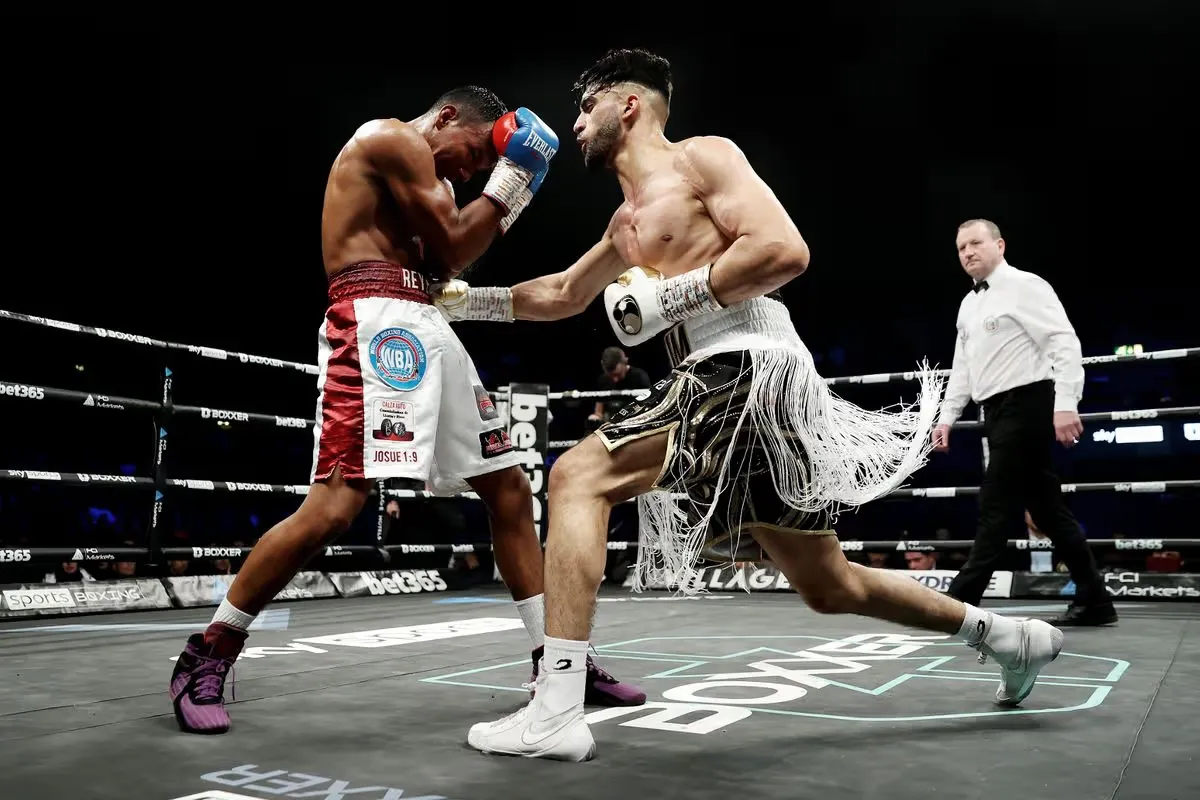
Boxing title fight schedule conversations heat up every time a major bout is announced. From Las Vegas lights to packed arenas in London and Riyadh, championship nights still carry a magic that few sports can replicate.
There’s something timeless about a world title fight. The silence before the first bell. The tension during the stare-down. The electricity when the champion’s belt is placed ringside.
For hardcore fans and casual viewers alike, tracking the right dates matters. Missing a title fight can mean missing history in the making. That’s why staying updated with the evolving Boxing title fight schedule has become essential for anyone who follows the sweet science seriously.
Table of Contents
ToggleWhy the Boxing Title Fight Schedule Matters More Than Ever
In the era of global streaming and pay-per-view platforms, world championship bouts are more accessible than ever.
Promoters now stage events across multiple continents, expanding boxing’s footprint. From the United States to the Middle East, championship nights are global spectacles.
Organizations such as the World Boxing Council and the World Boxing Association sanction multiple world title fights annually, each with its own mandatory challengers and ranking implications.
Because different sanctioning bodies operate independently, the Boxing title fight schedule is constantly shifting, making real-time updates crucial for fans.
Major Heavyweight Clashes on the Boxing Title Fight Schedule
The heavyweight division remains boxing’s glamour category.
When champions like Tyson Fury or Oleksandr Usyk step into the ring, global audiences tune in. Their bouts don’t just crown champions; they define eras.
Heavyweight fights often headline pay-per-view events and draw massive gate revenues. Promoters carefully structure the Boxing title fight schedule to maximize anticipation, media tours, and global marketing campaigns.
A single heavyweight unification can reshape rankings overnight and influence the division for years.
Rising Stars in the Lightweight and Welterweight Divisions
While heavyweights command headlines, lower divisions frequently deliver faster-paced, technically rich battles.
Fighters like Gervonta Davis and Terence Crawford have elevated interest in lightweight and welterweight championships.
These divisions often produce Fight of the Year contenders. Speed, precision, and ring IQ dominate these matchups.
For many fans, scanning the Boxing title fight schedule means looking beyond the heavyweights to find hidden gems in smaller weight classes.
How Sanctioning Bodies Shape the Boxing Title Fight Schedule
Boxing operates differently from league-based sports.
Multiple sanctioning organizations maintain separate rankings and belts. This structure increases opportunities for title fights but can also create confusion.
The International Boxing Federation and the World Boxing Organization each mandate defenses and eliminator bouts.
As a result, the Boxing title fight schedule must accommodate mandatory defenses, voluntary defenses, and unification negotiations.
The Business Behind Big-Fight Announcements
Behind every confirmed date lies months of negotiation.
Promoters, managers, broadcasters, and sanctioning bodies must agree on purses, venues, and broadcasting rights.
High-profile fights often require international cooperation, especially when champions come from different countries.
The finalized Boxing title fight schedule reflects not only athletic readiness but also complex contractual agreements.
Pay-Per-View and Streaming Influence
The modern championship landscape is heavily influenced by streaming platforms.
Networks like DAZN and Showtime compete for exclusive broadcasting rights.
Strategic timing ensures fights avoid overlapping with other major sporting events. This careful positioning maximizes viewership and revenue.
Because broadcast windows are so competitive, adjustments to the Boxing title fight schedule often occur to secure optimal slots.
International Venues Changing the Game
In recent years, championship bouts have expanded beyond traditional boxing hubs.
Cities in Saudi Arabia, Japan, and Australia now host mega-events, supported by large-scale investment.
These new destinations provide lucrative site fees, encouraging promoters to stage unification fights abroad.
As boxing globalizes, the Boxing title fight schedule reflects a more international rotation of venues than ever before.
Mandatory Defenses and Unification Fights
Champions must defend their titles within set timeframes. Failure to do so can result in stripping.
Mandatory challengers earn their position through eliminator bouts, creating a structured pathway to the belt.
Unification fights, where champions from different organizations meet, often generate the most excitement.
These regulatory requirements significantly shape the Boxing title fight schedule, influencing timing and opponent selection.
Injuries and Last-Minute Changes
Boxing is physically demanding. Training camps are intense, and injuries are common.
A pulled muscle or sparring cut can delay a bout by months. Replacement opponents are sometimes introduced at short notice.
Fans who closely follow the Boxing title fight schedule understand that flexibility is part of the sport’s unpredictable nature.
Promoters typically provide official statements through verified channels to maintain transparency.
Women’s Championships Gaining Global Spotlight
Women’s boxing has seen tremendous growth in recent years.
Champions like Katie Taylor and Claressa Shields headline major events and attract global audiences.
Title fights in women’s divisions are now regularly featured on premium cards.
As parity increases, the Boxing title fight schedule includes more high-profile women’s championship bouts, reflecting the sport’s evolution.
Training Camps and Preparation Timelines
A typical championship training camp lasts eight to twelve weeks.
Fighters relocate to specialized gyms, hire sparring partners, and fine-tune strategy. Conditioning coaches and nutritionists play critical roles.
The duration and intensity of camp influence scheduling decisions. Promoters often coordinate announcements around fighter readiness.
Thus, the Boxing title fight schedule aligns closely with training logistics and peak physical preparation.
Ranking Systems and Contender Pathways
Contenders climb the ranks through consistent wins and eliminator matches.
Each sanctioning body maintains updated rankings, reviewed monthly.
A surprise upset in an eliminator can instantly alter future title opportunities.
Because of this dynamic structure, the Boxing title fight schedule evolves as rankings shift and new challengers emerge.
Media Hype and Promotional Tours
Press conferences and international tours generate anticipation months before fight night.
Face-offs, open workouts, and interviews fuel social media engagement.
Strategic marketing ensures that championship bouts capture mainstream attention.
These promotional cycles are carefully integrated into the Boxing title fight schedule, ensuring maximum global visibility.
Historical Context and Legacy Fights
Some bouts transcend belts. They define legacies.
Think of iconic heavyweight clashes from past decades or modern super fights that unified divisions.
Today’s champions aim to cement their place in history through carefully chosen matchups.
The Boxing title fight schedule often reflects this pursuit of legacy, pairing top-ranked fighters in era-defining showdowns.
Safety Regulations and Medical Oversight
Boxing commissions enforce strict medical protocols.
Pre-fight physicals, neurological exams, and post-fight suspensions protect athlete welfare.
Regulatory oversight varies by country but generally follows global safety standards.
These safeguards also influence the Boxing title fight schedule, ensuring compliance before sanctioning a bout.
Economic Impact of Major Title Fights
Championship events generate substantial local revenue.
Hotels, restaurants, and tourism sectors benefit from traveling fans.
Host cities often bid competitively to secure major bouts.
The ripple effect of the Boxing title fight schedule extends beyond the ring, boosting local economies and global sports markets.
Digital Media and Fan Engagement
Social media platforms amplify excitement around upcoming bouts.
Behind-the-scenes footage and training highlights create personal connections between fighters and fans.
Live countdown shows and digital content deepen audience engagement.
Modern promotion ensures the Boxing title fight schedule reaches global audiences instantly.
Boxing remains one of the few sports where a single punch can change everything.
Every date on the calendar carries the possibility of an upset, a unification, or the birth of a new champion.
For dedicated followers of the sport, tracking the Boxing title fight schedule is about more than planning a viewing party. It’s about witnessing defining moments in real time, as champions rise, belts change hands, and boxing history continues to unfold.
Read also:
tkr vs slk
freya kemp stats
abishek porel wikipedia
mehidy hasan miraz
