
Introduction
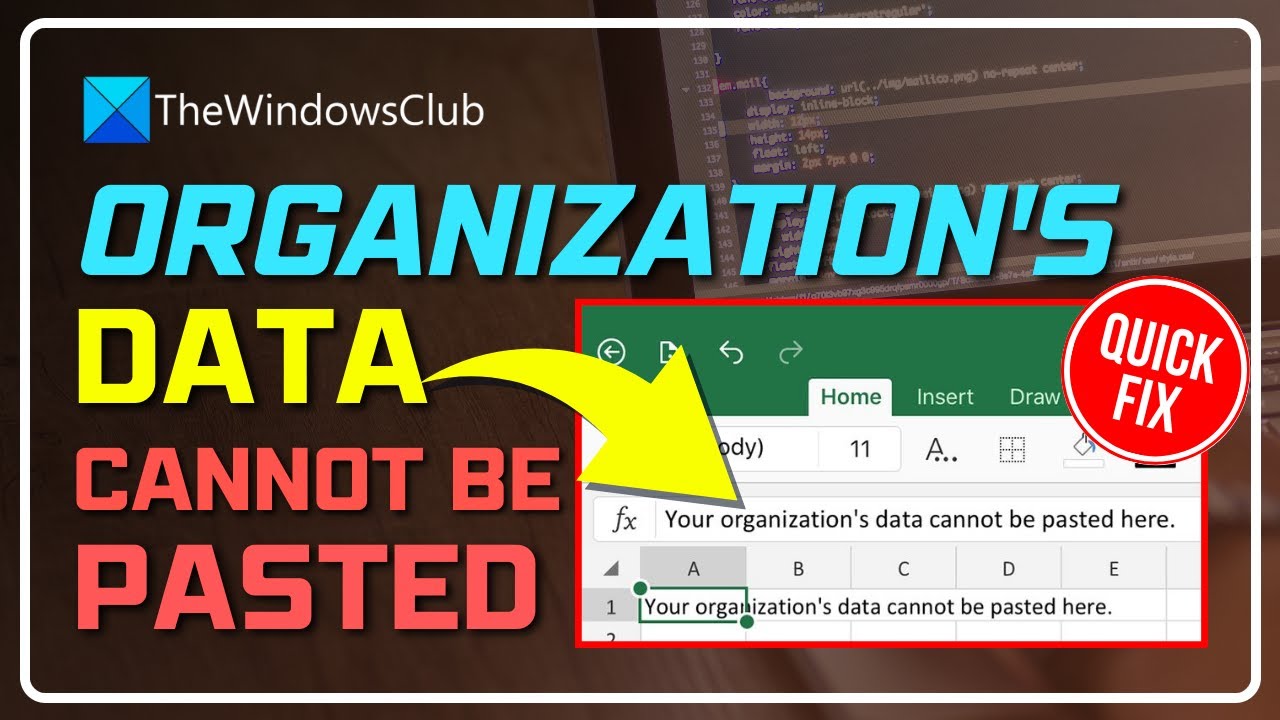
In today’s digital world, data security is paramount for any organization. The phrase “Your organization’s data cannot be pasted here.” might sound like a simple restriction, but it actually carries a deeper meaning. In this article, we will explore why this limitation exists, the importance of safeguarding your organization’s sensitive data, and the potential consequences of failing to protect it.
Data protection is crucial to ensure that the information remains confidential, secure, and accessible only to those who are authorized to view it. Many businesses, large and small, deal with sensitive data daily, and there are serious risks involved in mishandling or exposing this data to unauthorized access. But why do systems sometimes display the message “Your organization’s data cannot be pasted here.“? Let’s dive deeper.
Why is Data Protection Important?
Before we explore the reasons behind the phrase “Your organization’s data cannot be pasted here.” it’s important to understand the broader picture of data protection. Sensitive data within an organization can include customer information, internal communication, financial records, intellectual property, and much more. If exposed, these types of data can lead to identity theft, financial loss, legal consequences, and a damaged reputation.
Every organization needs to have robust data protection policies in place. These policies ensure that information remains within the control of the organization and is not shared unintentionally or maliciously with unauthorized parties. Data protection isn’t just a legal obligation; it’s a matter of trust with customers, employees, and partners. This is why the message “Your organization’s data cannot be pasted here.” might be a critical feature in protecting that data.
The Role of Secure Systems and Policies
In many cases, the phrase “Your organization’s data cannot be pasted here.” is a result of systems or applications designed with data security in mind. These systems restrict certain actions—like copying and pasting data—because allowing such actions could potentially expose sensitive information.
For instance, some enterprise-level applications and services, especially those in highly regulated industries like healthcare and finance, prohibit pasting data into fields that are not intended to store sensitive information. This restriction helps prevent inadvertent data leakage. If the data were to be pasted into an unsecured location or another application, it could easily be shared or stolen.
Preventing Unauthorized Data Sharing
One of the primary reasons “Your organization’s data cannot be pasted here.” is displayed is to avoid unauthorized data sharing. Data breaches occur when sensitive information is shared without proper authorization. By disallowing the ability to paste sensitive data into non-secure places, organizations can minimize the chances of accidental leaks.
In today’s interconnected world, where employees may need to use multiple applications and platforms, it’s easy to forget the boundaries around where and how data can be shared. The restriction ensures that users are fully aware of these boundaries and helps reduce the chance of a mistake. Such practices are also in line with compliance regulations, such as GDPR, HIPAA, and CCPA, which mandate strict controls over how personal and sensitive data is handled.
The Role of IT Administrators
In many organizations, IT administrators are the ones who set up these restrictions. By restricting pasting functions, they add an additional layer of security to ensure that sensitive organizational data is not mishandled. IT teams can configure applications to enforce these rules, making it clear to all employees that certain actions are prohibited.
When systems are designed with such restrictions, employees can also be educated on why these practices exist. IT administrators can offer regular training sessions to make sure everyone in the organization understands the importance of safeguarding data. This proactive approach helps foster a culture of security and accountability, which ultimately protects the organization from internal and external threats.
Secure Copying and Pasting Mechanisms
While it’s important to prevent your organization’s data from being pasted in unsecured places. there are secure ways to copy and paste data within the organization. Some systems employ secure methods like encrypted clipboard management. These systems can ensure that even if data is copied, it remains protected while in transit between applications or platforms. This means that organizations can maintain the functionality of copying and pasting while ensuring the protection of sensitive data.
However, this kind of system requires the organization to implement strong security protocols, which can be complex and costly. But for organizations that deal with highly sensitive information, these investments are essential. The phrase “Your organization’s data cannot be pasted here.” might be an indicator that the organization has implemented such secure copying and pasting protocols to protect its data.
Why is the Warning So Important?
The warning “Your organization’s data cannot be pasted here.” serves as an alert to users that they are interacting with data in a way that could compromise its security. This simple message has a lot of weight. It ensures that users are constantly mindful of the importance of handling data securely.
In many cases, it’s not just about preventing malicious activities, but also about preventing unintentional mistakes. A user may not always realize the full implications of pasting sensitive data into an unintended location. By preventing pasting altogether, organizations reduce the chances of accidental errors, ensuring that data remains within the intended context and scope.
The Risk of Data Breaches
When data is not properly secured or monitored, it can easily lead to a data breach. A breach can be caused by many factors, including hackers, phishing attacks, or even employee negligence. If sensitive organizational data is pasted into an unsecured platform, there’s a chance that it could end up in the wrong hands.
The consequences of a data breach can be severe. It could lead to financial loss, legal consequences, and most importantly, a loss of trust among customers. For example, a company that deals with personal customer data, such as credit card information, must ensure that this data is not copied and pasted into an unauthorized location. If it is, the company could face regulatory fines and a damaged reputation that could take years to recover from.
The Impact of Poor Data Handling
When an organization does not enforce proper data handling procedures, it opens itself up to a host of risks. Data leakage, whether accidental or intentional, can harm the organization in many ways. For example, confidential emails or financial records that are not adequately protected could be exposed through copying and pasting, leading to a significant breach of privacy.
Your organization’s data cannot be pasted here. is a preventative measure designed to avoid these situations. By eliminating the ability to share data outside of authorized channels, an organization takes the first step in preventing data from being leaked.
Practical Examples of Where This Warning Appears
The warning “Your organization’s data cannot be pasted here.” can be seen in many different contexts within an organization. For example:
-
Enterprise Resource Planning (ERP) systems: Many ERP systems, which store sensitive business and financial data, have built-in features that prevent data from being pasted into unsecured fields.
-
Customer Relationship Management (CRM) software: CRMs often store detailed customer information. To protect against unauthorized sharing, these systems may block pasting into non-secure fields.
-
Collaboration tools: Tools that facilitate internal collaboration may restrict pasting from unsecured sources to ensure that sensitive information is not shared unintentionally.
In each of these examples, the goal is to ensure that organizational data stays within secure and controlled environments. The warning, therefore, is not just a restriction, but a safeguard against potential threats.
Conclusion
The phrase “Your organization’s data cannot be pasted here.” is a simple yet powerful reminder of the importance of data security. In an increasingly digital world, where data is one of the most valuable assets an organization possesses, it is crucial to implement measures that protect that data from leaks and breaches.
Data protection policies, when properly enforced, can prevent mistakes, reduce risks, and ensure compliance with regulations. For organizations that deal with sensitive information, this restriction is not just a precaution but a necessity. By ensuring that your organization’s data cannot be pasted here. businesses take proactive steps in securing their data and maintaining trust with customers, employees, and partners.
As technology continues to evolve, so too must the strategies used to protect data. Whether through restricted copying and pasting or more advanced encryption methods, organizations must continuously adapt to new security challenges to keep their data safe.