
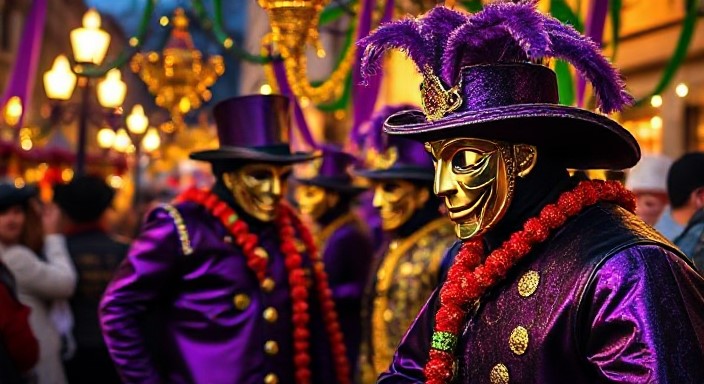
Mardi Gras, often referred to as “Fat Tuesday,” is a vibrant and festive celebration known for its grand parades, elaborate costumes, and lively music. This carnival marks the culmination of the Carnival season and is observed in various parts of the world with unique local traditions and customs. But what is Mardi Gras, exactly? In this article, we’ll explore the history, significance, traditions, and global celebrations of Mardi Gras, showcasing why it remains one of the most beloved and iconic festivals in the world.
The Origins of Mardi Gras
To understand what is Mardi Gras, we must delve into its historical roots. The origins of Mardi Gras can be traced back thousands of years to ancient pagan festivals celebrating spring and fertility. These festivals, such as the Roman Saturnalia and Lupercalia, were characterized by feasting, dancing, and merrymaking. With the rise of Christianity, these traditions were incorporated into the pre-Lenten celebrations, leading to the creation of Mardi Gras.
Mardi Gras, which translates to “Fat Tuesday” in French, marks the last day of indulgence before the fasting period of Lent begins on Ash Wednesday. The name reflects the practice of consuming rich, fatty foods before the Lenten season of fasting and penance. Mardi Gras was first celebrated in North America by French settlers in the early 18th century, with the first recorded celebration taking place in Mobile, Alabama, in 1703. However, it is New Orleans that has become synonymous with Mardi Gras, hosting some of the most elaborate and famous celebrations.
Significance of Mardi Gras
The question “what is Mardi Gras?” is significant because it embodies a unique blend of cultural, religious, and social elements. Mardi Gras is more than just a party; it is deeply rooted in tradition and serves as a time of community and celebration. The festival brings people together from all walks of life to celebrate unity, culture, and tradition. The festivities showcase a blend of ancient customs and modern revelry, making it a unique and unforgettable experience.
Mardi Gras holds a special place in the hearts of many, as it represents a time of joy, indulgence, and preparation for the solemn season of Lent. Understanding what is Mardi Gras helps to appreciate its profound cultural impact and the sense of togetherness it fosters.
Key Traditions and Customs of Mardi Gras
To truly grasp what is Mardi Gras, one must explore its rich traditions and customs. Mardi Gras is steeped in rituals that have been passed down through generations, each adding a layer of meaning and excitement to the celebration.
King Cake
One of the most iconic symbols of Mardi Gras is the King Cake, a sweet pastry decorated in the festival’s colors—purple, green, and gold. A small trinket, often a plastic baby, is hidden inside the cake, and the person who finds it is said to have good luck and is responsible for providing the next King Cake. The King Cake tradition dates back to medieval France and is a central part of Mardi Gras celebrations.
Masks and Costumes
Masks and costumes are another essential aspect of Mardi Gras. Revelers don elaborate masks and costumes to conceal their identities and add an element of mystery and excitement to the celebrations. The tradition of masking dates back to the early days of Mardi Gras in New Orleans, allowing people of all classes to mingle and celebrate together without social distinctions.
Throws
Throws are a beloved Mardi Gras tradition. During parades, float riders throw trinkets, beads, and other items to the crowds. The most coveted throws are often personalized and can include everything from stuffed animals to decorated coconuts. The tradition of throws adds an interactive and playful element to the parades, making them a highlight of the festivities.
Celebrating Mardi Gras in New Orleans
To understand what is Mardi Gras, one must experience the grand celebration in New Orleans. New Orleans is the heart of Mardi Gras celebrations, attracting millions of visitors each year. The city’s historic French Quarter, with its charming balconies and lively atmosphere, serves as the epicenter of the festivities.
Planning Your Visit
Accommodations fill up quickly during Mardi Gras, so it’s essential to book your hotel well in advance. Consider staying in the French Quarter or nearby areas for easy access to the celebrations. Familiarize yourself with the parade schedule and routes to secure the best viewing spots. Many parades take place along St. Charles Avenue and Canal Street.
Iconic Parades
The final two weeks leading up to Mardi Gras are filled with numerous parades, including the Krewe of Endymion, Krewe of Bacchus, and Krewe of Orpheus parades. These parades feature elaborate floats, throws, and lively music. Lundi Gras, or “Fat Monday,” is the day before Mardi Gras and features additional parades, live music, and parties. The Zulu and Rex parades on Mardi Gras Day are among the most anticipated events.
Global Celebrations of Mardi Gras
While New Orleans is the most famous destination for Mardi Gras, many other cities and towns across the United States and around the world also celebrate the carnival. Each location offers its unique twist on what is Mardi Gras, showcasing local customs and traditions.
Mobile, Alabama
Known as the birthplace of Mardi Gras in the United States, Mobile hosts a series of parades and events that rival those of New Orleans. The city is known for its unique MoonPies, which are thrown from floats during parades.
Biloxi, Mississippi
Biloxi’s Mardi Gras celebrations feature vibrant parades, festive balls, and a family-friendly atmosphere. The Gulf Coast Carnival Association Parade is a highlight of the festivities.
Galveston, Texas
Galveston’s Mardi Gras is one of the largest in the state, with parades, concerts, and masquerade balls. The city’s historic Strand District provides a picturesque backdrop for the celebrations.
Rio de Janeiro, Brazil
Although not called Mardi Gras, Rio’s Carnival is one of the most famous and extravagant in the world. The city’s samba parades, street parties, and elaborate costumes make it a must-visit destination for carnival enthusiasts.
The Cultural Impact of Mardi Gras
Understanding what is Mardi Gras involves recognizing its profound cultural impact. Mardi Gras is more than just a party; it has a significant influence on the communities that celebrate it. The festival brings people together, fostering a sense of unity and pride. It also provides an economic boost to local businesses, from hotels and restaurants to shops and entertainment venues.
The arts play a significant role in Mardi Gras, with local artists and craftsmen creating intricate floats, costumes, and decorations. The music of Mardi Gras, including jazz, brass bands, and zydeco, adds to the festive atmosphere and showcases the rich cultural heritage of the region.
Virtual Mardi Gras Celebrations
If you can’t make it to a Mardi Gras celebration in person, there are still plenty of ways to join the festivities virtually. Many cities, including New Orleans, offer live streams of parades and events, allowing you to experience the excitement from the comfort of your home. Virtual costume contests, cooking classes for traditional Mardi Gras dishes, and online dance parties are also great ways to get into the spirit of Mardi Gras.
Preparing for Mardi Gras
As you prepare for Mardi Gras, consider incorporating some of the festival’s traditions into your celebrations. Host a King Cake party, complete with a hidden trinket and vibrant decorations. Encourage guests to wear masks and costumes, and provide beads and other throws for a mini parade experience.
If you’re attending a parade, bring a bag to collect your throws and wear comfortable shoes for walking and standing. Be prepared for changing weather conditions and bring a jacket or rain poncho if needed.
The Future of Mardi Gras
As we look to the future, Mardi Gras will undoubtedly continue to be a highlight of the Carnival season. The festival’s rich history, thrilling parades, and vibrant traditions ensure that it remains a beloved event for people of all ages. Innovations in technology and virtual experiences will also play a role in shaping the future of Mardi Gras, making it accessible to an even broader audience.
Conclusion: Embracing the Spirit of Mardi Gras
So, what is Mardi Gras? It is a celebration filled with joy, color, and excitement. Whether you’re attending the grand parades in New Orleans, joining local festivities, or celebrating virtually, the spirit of Mardi Gras is sure to bring people together in a shared experience of fun and camaraderie.
As the countdown to Mardi Gras begins, embrace the traditions, explore the history, and get ready to immerse yourself in one of the most vibrant and beloved festivals in the world. Let the good times roll!