
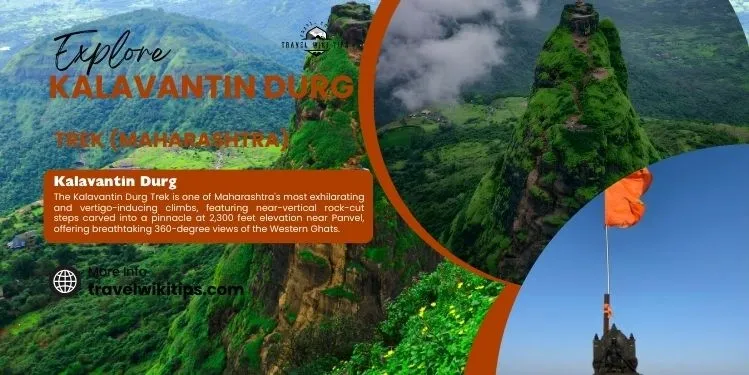
Adventure travel can feel completely different when the journey itself becomes part of the destination. travelwikitips.com can help readers explore outdoor escapes, active journeys, nature experiences, scenic routes, hiking ideas, camping trips, and practical adventure planning. A traveler does not need to climb the highest mountain or complete the longest trail to experience something memorable. Sometimes a quiet journey through unfamiliar countryside can create just as much excitement as a demanding outdoor activity. The attraction often comes from seeing new landscapes, moving at a different pace, and spending more time outside ordinary routines. Adventure travel can include walking through forests, cycling between villages, paddling along calm waterways, visiting remote viewpoints, or exploring unusual geological landscapes. Each experience has different practical requirements, so preparation should match the activity rather than follow one generic approach. Weather can change quickly, particularly in mountains, deserts, forests, and coastal regions. Route conditions can change too after rain, seasonal storms, maintenance work, or heavy visitor traffic. Travelers should understand their own physical ability before choosing an activity that appears impressive online. Photographs can hide difficult climbs, slippery surfaces, long distances, and limited access to food or communication services. A good adventure allows enough flexibility to change plans when conditions become unsuitable. It also leaves time for rest because trying to stay active every hour can make a trip unnecessarily exhausting. Responsible travel matters as well because natural places remain attractive only when visitors treat them carefully. The most rewarding adventures usually combine curiosity, preparation, patience, and respect for the destination.
Watching Sunrise From Open Landscapes
Sunrise experiences can create a simple adventure without requiring a highly technical activity. Travelers can choose viewpoints near mountains, coastlines, deserts, forests, or open countryside depending on the destination. The main challenge is often reaching the location before daylight begins. This means checking travel time carefully and leaving enough margin for unexpected delays. Some viewpoints require a short walk, while others involve longer uphill routes that become harder in darkness. Travelers should understand the route before starting and avoid unfamiliar trails when visibility is extremely limited. A reliable light can become useful during early morning movement, especially on uneven paths. Clothing should match the temperature because mornings can remain much colder than daytime conditions suggest. Coastal and mountain locations can also experience strong wind before sunrise. Travelers should check weather conditions rather than assuming the morning will remain calm. The reward is often more than the sunrise itself because landscapes can change dramatically as natural light slowly increases. Mountains may become visible in stages, while clouds can create completely different colors across the horizon. Travelers should avoid standing near unstable edges simply to capture a wider photograph. Safe viewpoints usually provide better experiences because there is no need to focus on balance while using a camera. Sunrise adventures also work well with relaxed daytime plans because the activity can finish relatively early. A good breakfast and a slower afternoon can balance the early start. These experiences are appealing because they combine planning with a quiet sense of discovery. The landscape often feels different before crowds arrive. Sometimes a short early walk becomes one of the most memorable parts of an entire trip.
Trying Nature Photography Walks
Photography walks can turn an ordinary outdoor route into a more attentive adventure. Instead of moving quickly toward one major attraction, travelers can spend time noticing plants, rocks, clouds, wildlife signs, textures, and changing light. A forest path may contain interesting details that are easy to overlook when walking quickly. Coastal routes can provide changing patterns created by waves, cliffs, and shadows. Mountain landscapes can look completely different depending on weather and time of day. Travelers should still prioritize stable footing and route awareness rather than focusing entirely on the camera screen. Stopping in safe places allows people to frame photographs without blocking paths or creating unnecessary hazards. A small camera or phone can be enough for casual photography, meaning specialized equipment is not always necessary. Travelers using larger equipment should consider weight because long walks become more tiring when carrying heavy bags. Extra batteries can become useful during long outdoor days, especially when cold weather reduces battery life. Storage space should also be checked before departure because high-quality images can consume considerable room. Natural light changes continuously, so travelers may notice that the same viewpoint produces different results only minutes apart. Patience can become more valuable than expensive equipment during nature photography. Wildlife should be photographed from a respectful distance without approaching animals for a better shot. Sensitive plants and natural formations should also remain untouched. Photography walks can become enjoyable for both experienced photographers and beginners because there is no requirement to produce professional results. The main purpose is paying closer attention to the surroundings. In that sense, the camera becomes a reason to explore rather than the entire purpose of the journey.
Exploring Island Footpaths
Island destinations can provide excellent opportunities for walking because landscapes often change between beaches, cliffs, forests, villages, and elevated viewpoints within relatively short distances. Footpaths may connect small communities while passing through areas that receive fewer visitors than major attractions. Travelers should understand whether a route crosses private land or protected areas before starting. Some island trails may look short on a map but take longer because of steep climbs, rough surfaces, and frequent stops for scenery. Walking speeds can be affected by strong coastal winds or heat during exposed sections. Water becomes particularly important when routes pass through remote areas without shops or reliable refill points. Travelers should carry enough supplies for the expected duration and allow additional time for unexpected delays. Footwear should match the path because island trails may combine sand, stone, dirt, and wet surfaces. Travelers should check ferry schedules carefully when the walking route depends on returning to another part of the island before transportation stops operating. Missing a final ferry can create unnecessary accommodation and transport problems. Local guides can provide useful information about seasonal access and less obvious route conditions. Weather also deserves attention because island environments can change quickly when wind or rain arrives from the surrounding sea. Travelers should avoid walking close to unstable cliff edges even when the view appears attractive. The quiet character of island paths can make them feel more adventurous than crowded attractions. Small villages along the route can also provide opportunities to buy local food or speak with residents when appropriate. Island walking combines physical activity with scenery and local life. The journey can become as important as the final viewpoint.
Discovering Riverfront Adventures
Riverfront destinations can provide several different outdoor experiences depending on the landscape and local regulations. Walking paths may follow the water through forests, towns, wetlands, farmland, or rocky valleys. Cycling can also work well where dedicated paths are available. Travelers should understand river conditions before planning any activity that involves getting close to the water. Water levels can change after heavy rainfall upstream even when the weather nearby remains clear. Currents can also become stronger than they appear from shore. Visitors should follow local barriers and warning signs rather than assuming calm-looking water is automatically safe. Some river areas allow kayaking or other guided activities, while others restrict access because of wildlife, currents, navigation hazards, or environmental concerns. Travelers who want to enter the water should choose established activities that provide suitable equipment and clear instructions. Riverfront walking can be an easier alternative when visitors mainly want scenery and nature. Birds, plants, bridges, rock formations, and changing water patterns can make the route interesting without requiring technical skills. Travelers should also understand whether the path floods during certain seasons. Rain can turn dirt paths into muddy sections and make bridges slippery. Comfortable footwear becomes especially useful on mixed river terrain. A waterproof bag can protect important belongings when spending long periods near water. Riverfront areas can also become busy during weekends, so quieter times may provide a more peaceful experience when practical. The best river adventures respect both the natural environment and changing water conditions. A little local knowledge can turn a simple riverside walk into a much more rewarding exploration.
Taking Scenic Horseback Routes
Horseback travel can provide a slower way to explore landscapes that may be difficult to appreciate from a vehicle. Guided riding routes can pass through countryside, forests, beaches, mountain valleys, or open grasslands depending on the destination. Beginners should choose operators that provide basic instruction before the ride begins. Riders need to understand how to sit comfortably, hold the reins correctly, and respond to simple guidance from the horse and instructor. The length and difficulty of a route should match personal experience rather than appearance alone. A peaceful-looking route can still become physically tiring after several hours in the saddle. Suitable clothing should allow comfortable movement and protect against weather conditions. Footwear requirements may vary between operators, so travelers should check what is recommended before arriving. Helmets and other protective equipment should be used according to the operator’s rules and local practices. Riders should also treat animals respectfully because horses respond to handling, noise, and sudden movements. Travelers should follow the guide rather than attempting to control the route independently during group rides. Fast movement may not be appropriate for beginners or for certain environments. Scenic riding is often most enjoyable when the pace remains relaxed enough to observe the landscape. Travelers can notice local wildlife, farming areas, rivers, and viewpoints from a different perspective than they would while walking. Photography should be handled carefully because riders need to maintain control and awareness. A guided route can become a gentle introduction to outdoor adventure for people who want something different from ordinary sightseeing. The experience combines movement, scenery, and interaction with an animal while encouraging travelers to slow down. It can feel adventurous without requiring extreme physical activity.
Exploring Volcanic Landscapes
Volcanic landscapes can look dramatically different from forests, beaches, or ordinary mountain routes. Travelers may encounter dark rock fields, craters, lava formations, steep ridges, mineral colors, and unusual vegetation. These environments can feel otherworldly even when the walking itself remains moderate. Travelers should use official routes because volcanic areas may contain unstable ground, restricted zones, or surfaces that remain dangerous under certain conditions. Some volcanic regions have active geothermal features, requiring visitors to follow strict boundaries. Steam, hot ground, unstable edges, or changing gases can create hazards that are difficult to recognize without local information. Travelers should therefore avoid leaving marked paths simply to reach a more unusual viewpoint. Footwear with good grip can help on rocky and uneven surfaces. Sun exposure can become strong on open volcanic terrain because there may be limited shade. Water should be carried in sufficient amounts when facilities are unavailable. Weather can also change quickly around elevated volcanic landscapes. Clouds or wind can reduce visibility and make route navigation more difficult. Guided tours can provide useful explanations about geology, local history, and environmental rules. Visitors should avoid touching or collecting unusual rocks when the area is protected. Natural formations may have scientific or cultural importance beyond their visual appeal. Volcanic destinations often attract photographers because textures and colors become especially interesting under changing light. Travelers should still remember that a dramatic photograph is never worth entering a restricted or unstable area. The best experience comes from understanding the landscape while respecting the forces that created it. Volcanic travel combines geology, scenery, physical activity, and education in one unusual outdoor experience.
Trying Stargazing Camps
Stargazing can become an adventure when travelers leave brightly lit cities and spend time in darker natural environments. Desert areas, mountain camps, remote countryside, and island locations can provide clearer night skies when local conditions are suitable. Cloud cover is one of the most important factors because even excellent destinations may have poor visibility on cloudy nights. Travelers should check local weather forecasts before planning a dedicated observation session. Moon brightness can also influence how many faint stars become visible. A dark location may provide a much clearer view than an urban area even without specialized equipment. Travelers should dress warmly because night temperatures can fall quickly, particularly in deserts and mountains. Comfortable seating or a suitable ground mat can make long observation periods more enjoyable. Red lighting can help preserve night vision in some situations, while strong white lights can make it harder for the eyes to adjust. Travelers should avoid shining bright lights toward other visitors or wildlife. Basic binoculars can improve the view without requiring complicated equipment. Telescopes can provide more detail, although transporting and setting them up may require additional planning. Some guided camps offer astronomy sessions that explain constellations, planets, and seasonal sky patterns. These experiences can make the night more interesting for people who do not know much about astronomy. Stargazing also encourages travelers to slow down because the activity depends on patience rather than constant movement. A quiet night outdoors can feel adventurous precisely because it is so different from busy daytime travel. The experience becomes more rewarding when travelers understand that clear skies are never guaranteed. Flexibility remains part of the adventure.
Exploring Mountain Villages
Mountain villages can offer adventure without requiring a demanding climb every day. Walking through steep streets, visiting local markets, exploring nearby trails, and traveling between small communities can provide a different perspective on mountain life. Travelers should understand that altitude can affect physical effort even when activities appear easy. People arriving from lower elevations may need time to adjust before attempting longer walks. Hydration, rest, and a slower pace can help during the first days at higher elevations. Roads may also be narrow, winding, or affected by seasonal weather. Transportation schedules can become limited in smaller mountain communities, so travelers should check departure times carefully. Local accommodation can provide useful information about nearby routes and current conditions. Residents may know which paths are open and which areas should be avoided after weather changes. Travelers should respect local homes, farms, religious spaces, and private roads when exploring on foot. Photography should remain thoughtful, particularly when people are present. Asking permission before photographing individuals can show basic courtesy. Local food provides another way to understand the community and can be part of the adventure itself. Travelers may find regional dishes that are not commonly available in larger tourist centers. Short hikes from a village can lead to viewpoints, forests, streams, or agricultural terraces. These routes may feel more authentic than crowded attractions because daily life remains visible along the way. Mountain village travel combines scenery with culture, movement, and community interaction. It can be especially useful for travelers who want adventure without spending every day on difficult trails. The experience feels active while remaining closely connected to local life.
Planning Snowy Forest Walks
Snowy forest walks can provide a peaceful outdoor experience while requiring careful attention to temperature and daylight. Snow can hide roots, rocks, holes, and uneven ground beneath a smooth surface. Travelers should choose established winter routes and check current conditions before starting. Waterproof footwear can become important because wet snow can quickly make ordinary shoes uncomfortable. Layering helps because the body warms during walking while exposed areas can become cold during rest periods. Daylight may be limited during winter, especially at higher latitudes. Travelers should therefore begin routes early enough to return before conditions become difficult. Weather can change rapidly, and snowfall can reduce visibility or cover familiar trail markers. Offline maps can provide useful backup when phone coverage is weak. Local guides may be helpful for visitors unfamiliar with winter terrain. Snow also changes walking effort because each step may require more energy than on normal ground. Travelers should choose realistic distances and allow more time than they would during dry conditions. Carrying water remains important even when the surroundings look full of snow because eating snow is not a practical replacement for adequate hydration planning. Warm drinks can be useful during longer outings where facilities exist. Wildlife tracks may become easier to notice in fresh snow, adding another interesting part of the experience. Visitors should avoid disturbing animals or following tracks too closely into areas they do not understand. Winter forests are beautiful partly because they are quieter and less crowded. A careful, slower pace allows travelers to notice sounds, snow patterns, branches, and changing light. The adventure comes from experiencing the environment respectfully rather than rushing through it.
Trying Multi Activity Trips
Some travelers prefer combining several moderate adventures instead of choosing one demanding activity for the entire trip. A multi-activity journey might include hiking, cycling, kayaking, village exploration, scenic driving, or nature photography within the same destination. This approach provides variety while allowing travelers to change the physical demands from one day to the next. Planning becomes important because different activities may require separate equipment, clothing, reservations, and transportation. Travelers should check whether rental equipment is available locally or needs to be carried between destinations. Weather can influence the schedule significantly because water activities and exposed trails may depend heavily on suitable conditions. A flexible itinerary allows activities to move between days when necessary. Rest should remain part of the schedule because changing activities still places physical demands on the body. Travelers should avoid assuming that moderate activities require no preparation simply because none appears extreme individually. Several active days can create cumulative fatigue. Food and hydration should therefore be planned according to the combined schedule. Accommodation can be chosen to provide convenient access to different activity locations. Travelers should also consider transportation time because moving between distant activity areas can reduce the time available for actual exploration. Multi-activity trips can be particularly useful for groups because different travelers may enjoy different experiences. One person can choose a longer hike while another prefers cycling or a scenic excursion. Shared meals and local exploration can still bring everyone together. The variety prevents the journey from feeling repetitive while keeping physical demands flexible. A well-planned combination of activities can make a destination feel much larger and more diverse than a single-route trip.
Respecting Adventure Communities
Adventure destinations are often located near communities that experience the daily effects of tourism. Visitors should understand that trails, beaches, roads, mountains, and forests are not always isolated attractions. Local people may work, live, farm, fish, travel, or hold cultural events in these same areas. Travelers should avoid blocking roads, entering private property, creating excessive noise, or ignoring local instructions. Spending money with locally owned businesses can help communities benefit directly from tourism. Local guides, food providers, guesthouses, transport operators, and craft sellers can all contribute to a more meaningful visit. Travelers should also learn basic local customs before arriving, especially when visiting places with strong cultural traditions. Clothing expectations can vary considerably between destinations. Asking before photographing people or entering private spaces shows simple respect. Visitors should also avoid treating local culture as a performance created solely for tourists. Community life continues whether visitors are present or not. Responsible travelers adapt their behavior to the destination instead of expecting the destination to change around them. Tourism can create employment and infrastructure benefits, but sudden increases in visitor numbers can also create pressure. Choosing quieter seasons or less crowded routes can reduce that pressure when schedules allow. Travelers should also avoid sharing exact locations of fragile natural sites without understanding the potential impact of sudden popularity. Sometimes keeping a place relatively unknown can help protect it. Good adventure travel includes respect for the people and communities that make outdoor destinations accessible. The experience becomes richer when travelers see the destination as a living place instead of a simple backdrop.
Conclusion
Adventure travel can take many forms beyond difficult hikes and extreme activities. Sunrise walks, photography routes, island paths, river journeys, scenic riding, volcanic landscapes, mountain villages, snowy forests, stargazing camps, and multi-activity trips can all create memorable outdoor experiences. The right choice depends on personal interests, fitness, weather, available time, and comfort with changing conditions.
Practical planning remains important for every kind of adventure. Travelers should check local information, understand route difficulty, prepare suitable clothing and equipment, monitor weather, respect natural environments, and leave enough time for rest. Flexibility becomes especially useful when conditions change or an activity proves more demanding than expected.
For readers interested in adventure travel, outdoor exploration, hiking, cycling, camping, scenic routes, nature experiences, mountain destinations, and practical travel preparation, continue exploring dependable information and checking local conditions before departure. Explore useful adventure travel inspiration through travelwikitips.com, stay curious, prepare thoughtfully, respect local communities, and make every outdoor journey more comfortable and memorable.
Read also :-