


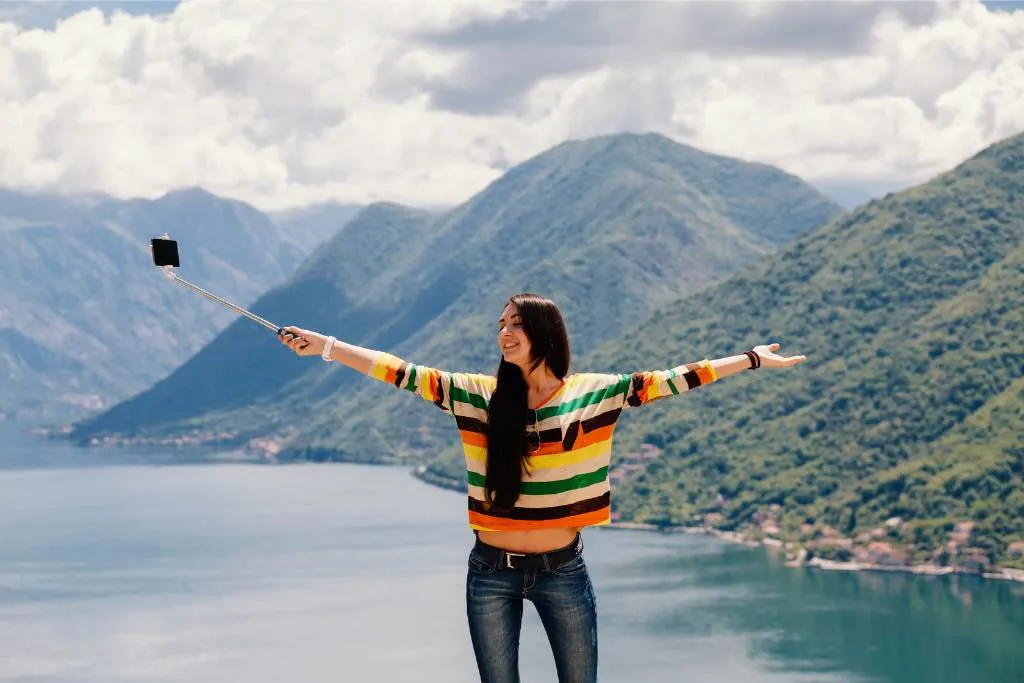
Solo Travel Photography Tips are more than just technical advice—they’re about telling your own story through images while journeying alone. Imagine standing at sunrise on a quiet beach, camera in hand, with no one else around. That moment becomes yours to capture, a memory preserved forever in pixels and light.
Why Solo Travel Photography Tips Matter
Traveling alone gives you complete freedom, but it also means you’re responsible for documenting your experiences. With the right approach, photography becomes a companion, helping you connect with places and people. The beauty of Solo Travel Photography Tips lies in their ability to empower you to capture moments that reflect your unique perspective.
Take the example of Ananya, a solo traveler in Kyoto. She used her camera not only to photograph temples but also to capture candid street scenes. Her images became a visual diary, reminding her of the emotions she felt in each moment.
Essential Gear for Solo Travel Photography Tips
Carrying the right gear makes a huge difference. A lightweight camera, versatile lens, and portable tripod are often enough. Solo travelers benefit from compact setups that don’t weigh them down. Smartphones with advanced cameras also work wonders, especially when paired with editing apps.
The key is balance—choosing equipment that enhances creativity without becoming a burden. Many solo travelers swear by mirrorless cameras for their portability and quality, making them ideal companions for long journeys.
Composition Secrets in Solo Travel Photography Tips
Photography is more than pressing a button; it’s about framing stories. Solo travelers often experiment with angles, reflections, and leading lines to add depth. Using natural light, especially during golden hours, transforms ordinary scenes into extraordinary ones.
For instance, Rahul, traveling alone in Istanbul, captured the Grand Bazaar by focusing on vibrant colors and patterns. His photos weren’t just images; they were narratives of culture and life.
Solo Travel Photography Tips for Self-Portraits
One challenge of solo travel is photographing yourself. Tripods, remote shutters, and even creative use of reflections help capture self-portraits. Some travelers use everyday objects—like mirrors in cafés or shadows on walls—to add artistic flair.
The beauty of Solo Travel Photography Tips is that they encourage experimentation. You don’t need someone else to take your picture; you can create portraits that reflect your personality and journey.
Storytelling Through Solo Travel Photography Tips
Every photo tells a story. Solo travelers often use photography to document emotions, not just landscapes. Capturing locals at work, street musicians, or quiet corners of a city adds authenticity.
Photography becomes a journal, where each image is a sentence in your travel narrative. By focusing on details—like the texture of cobblestones or the smile of a vendor—you create stories that resonate long after the trip ends.
Overcoming Challenges with Solo Travel Photography Tips
Traveling alone means multitasking—planning routes, staying safe, and capturing photos. Sometimes, it’s hard to balance being present with documenting the moment. The trick is to set aside time for photography while still enjoying the experience.
For example, Priya, exploring Morocco, dedicated mornings to photography and afternoons to immersion. This rhythm allowed her to capture stunning shots without missing out on the joy of discovery.
Editing and Sharing Solo Travel Photography Tips
Editing is where raw images transform into art. Solo travelers often use apps like Lightroom or Snapseed to enhance colors, adjust lighting, and crop compositions. Sharing photos on social platforms connects them with communities worldwide, inspiring others to travel and create.
The Solo Travel Photography Tips lifestyle thrives on this cycle—capture, edit, share, and inspire. Each photo becomes part of a larger conversation about exploration and creativity.
Emotional Rewards of Solo Travel Photography Tips
Beyond technical skills, photography enriches the emotional journey of solo travel. It builds mindfulness, encouraging you to notice details others might overlook. The act of pausing to frame a shot deepens your connection with the environment.
Every image becomes a memory, a reminder of courage, independence, and discovery. Whether it’s a sunset in Santorini or a bustling street in Hanoi, these photos embody the spirit of solo travel.
Sustainability in Solo Travel Photography Tips
Responsible photography is essential. Solo travelers are increasingly mindful of respecting local cultures and environments. Asking permission before photographing people, avoiding sensitive sites, and supporting local communities ensures ethical storytelling.
The Solo Travel Photography Tips approach, when practiced responsibly, not only preserves memories but also honors the places and people encountered along the way.
Read also :-