


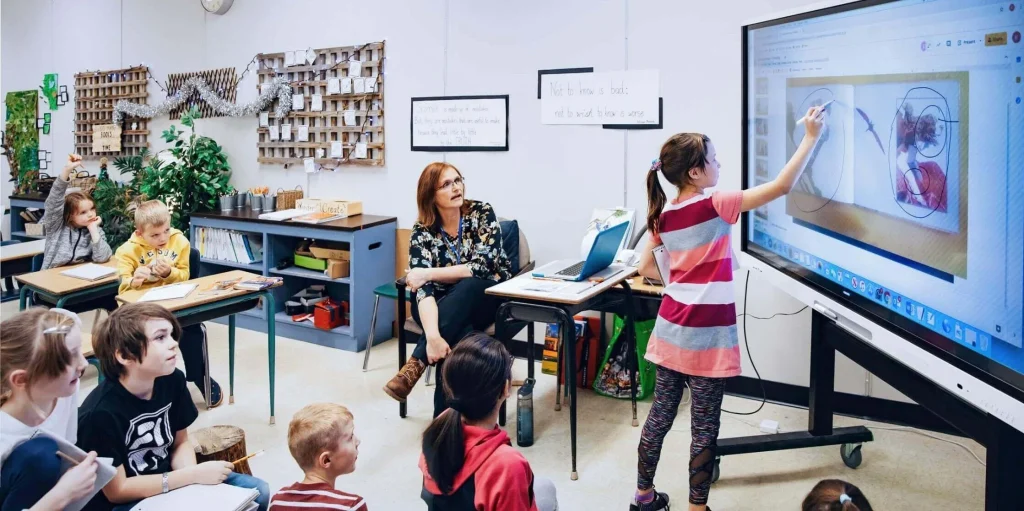
smart education initiatives are redefining how students learn, teachers teach, and institutions evolve in a rapidly digitizing world. Education today is no longer limited to chalkboards, printed textbooks, or fixed classrooms. Instead, it is becoming a dynamic, data-driven, and student-centered experience that adapts to individual learning needs.
Across schools, colleges, and skill-development centers, smart learning ecosystems are bridging gaps, enhancing accessibility, and preparing learners for real-world challenges. These initiatives are not just about technology adoption, but about transforming mindsets, systems, and outcomes.
Understanding the Core Idea Behind Smart Education
At its heart, smart education focuses on using digital tools to improve teaching quality and learning effectiveness. It blends pedagogy with technology, ensuring that innovation supports meaningful learning rather than replacing human interaction.
From interactive whiteboards to adaptive learning platforms, smart classrooms encourage curiosity and engagement. smart education initiatives aim to create environments where learners actively participate rather than passively absorb information.
Why Traditional Education Models Needed Change
Conventional education systems often follow one-size-fits-all approaches. Students with different learning speeds, interests, and strengths struggle to keep up.
Smart education emerged as a response to these limitations. Personalized content, instant feedback, and flexible access allow learners to progress at their own pace. This shift ensures that no student is left behind due to outdated methods.
Technology as an Enabler, Not a Replacement
A common misconception is that smart education replaces teachers with machines. In reality, technology enhances the teacher’s role.
Educators gain access to analytics, digital resources, and collaborative tools that help them understand student performance better. Through smart education initiatives, teachers become mentors and facilitators rather than mere information providers.
Digital Classrooms and Connected Learning
Smart classrooms integrate devices, learning management systems, and cloud-based resources.
Students can access lessons anytime, revisit recorded sessions, and collaborate virtually. This connected approach ensures continuity in learning, even during disruptions. smart education initiatives proved especially valuable when remote learning became essential worldwide.
Personalized Learning Experiences
Every student learns differently. Some grasp concepts visually, others through practice or discussion.
Smart platforms analyze learning patterns and customize content accordingly. Assignments, quizzes, and lessons adapt in real time, making learning more effective. This personalization is a cornerstone of smart education initiatives.
Real-Life Impact on Students
Consider a student in a rural area with limited access to quality teachers. Through smart learning platforms, that student can attend virtual classes, access expert lectures, and practice skills online.
These opportunities were once unimaginable. Today, smart education initiatives are breaking geographical and economic barriers.
Enhancing Teacher Effectiveness
Teachers benefit greatly from smart education tools.
Automated assessments reduce administrative workload. Data dashboards highlight student progress and learning gaps. This allows educators to focus on creative teaching strategies and individualized support.
By empowering teachers, smart education initiatives strengthen the entire education ecosystem.
Role of Artificial Intelligence in Education
AI plays a significant role in smart learning environments.
It supports adaptive testing, intelligent tutoring systems, and predictive analytics. These tools help identify struggling students early and recommend interventions.
When used ethically, AI-driven smart education initiatives enhance fairness and learning efficiency.
Gamification and Student Engagement
Engagement is critical for effective learning. Gamified elements such as challenges, rewards, and progress tracking motivate students.
Learning becomes interactive and enjoyable rather than stressful. Many smart education initiatives successfully use gamification to sustain attention and improve outcomes.
Inclusive Education Through Smart Solutions
Students with disabilities often face barriers in traditional classrooms.
Smart education tools offer accessibility features like screen readers, subtitles, and voice commands. These adaptations promote inclusive learning environments where everyone can succeed.
Inclusion is a defining strength of smart education initiatives.
Data-Driven Decision Making in Institutions
Educational institutions now rely on data to improve performance.
Attendance patterns, assessment results, and engagement metrics provide valuable insights. Administrators can design policies and programs based on evidence rather than assumptions.
This analytical approach makes smart education initiatives sustainable and impactful.
Lifelong Learning and Skill Development
Learning no longer ends with formal education.
Smart platforms support continuous upskilling and reskilling. Professionals can learn new technologies, languages, or leadership skills online.
This flexibility aligns smart education initiatives with evolving job market demands.
Bridging the Urban-Rural Education Gap
Urban students often have access to better resources than their rural counterparts.
Smart education reduces this disparity by delivering quality content digitally. Virtual labs, online mentoring, and recorded lectures ensure equal learning opportunities.
Such democratization highlights the social value of smart education initiatives.
Cybersecurity and Data Privacy Considerations
With increased digitalization comes responsibility.
Protecting student data and ensuring platform security are essential. Institutions must adopt robust policies and technologies to safeguard information.
Trust is crucial for the success of smart education initiatives.
Government and Policy Support
Many governments recognize education as a foundation for economic growth.
Policies promoting digital infrastructure, teacher training, and e-learning platforms support smart education adoption. Public-private partnerships further accelerate innovation.
Policy-backed smart education initiatives achieve wider reach and long-term impact.
Teacher Training and Capacity Building
Technology alone cannot transform education without skilled educators.
Professional development programs help teachers integrate digital tools effectively. Continuous training ensures confidence and competence in smart classrooms.
Strong teacher support systems enhance smart education initiatives at every level.
Cultural Shift in Learning Mindsets
Smart education requires learners to take ownership of their progress.
Students become active participants, setting goals and tracking achievements. This shift fosters independence and critical thinking.
Cultural change is a vital outcome of smart education initiatives.
Measuring Success Beyond Test Scores
Traditional metrics focus heavily on exam results.
Smart education emphasizes holistic development, including creativity, collaboration, and problem-solving skills. Digital portfolios and project-based assessments reflect real-world abilities.
This broader evaluation approach aligns with smart education initiatives goals.
Global Collaboration and Knowledge Sharing
Smart platforms connect learners and educators worldwide.
Cross-cultural projects, virtual exchanges, and global classrooms enrich learning experiences. Students gain exposure to diverse perspectives.
Global connectivity strengthens the relevance of smart education initiatives.
Ethical Use of Technology in Education
Responsible implementation is essential.
Technology should enhance learning without causing dependence or distraction. Clear guidelines ensure ethical and balanced usage.
Ethical frameworks maintain the integrity of smart education initiatives.
Future Trends in Smart Education
Emerging technologies like virtual reality and augmented reality are expanding learning possibilities.
Students can explore virtual labs, historical sites, or simulations. These immersive experiences deepen understanding and retention.
Innovation will continue to shape smart education initiatives in exciting ways.
Community and Parental Engagement
Parents play an important role in student success.
Smart platforms offer transparent communication, progress reports, and engagement tools. Families stay informed and involved in learning journeys.
Community participation strengthens smart education initiatives outcomes.
Economic Impact of Smart Education
An educated workforce drives economic growth.
Smart education equips learners with relevant skills, increasing employability and innovation. Nations investing in education technology gain competitive advantages.
The economic benefits of smart education initiatives extend far beyond classrooms.
Building Resilient Education Systems
Crises like pandemics and natural disasters disrupt traditional schooling.
Smart education ensures continuity through remote access and digital resources. Resilient systems adapt quickly to change.
Preparedness is a lasting advantage of smart education initiatives.
Student Voices and Feedback
Listening to learners improves system design.
Feedback mechanisms allow students to share experiences and suggest improvements. This participatory approach enhances satisfaction and effectiveness.
Student-centered design is central to smart education initiatives.
Integration with Industry and Real-World Skills
Collaboration with industries ensures curriculum relevance.
Internships, virtual labs, and project-based learning align education with workforce needs. Students graduate with practical skills and confidence.
Industry-aligned learning strengthens smart education initiatives credibility.
Sustainability and Environmental Benefits
Digital learning reduces paper usage and physical infrastructure demands.
Online resources lower carbon footprints associated with travel and printing. Sustainable practices align education with environmental responsibility.
Eco-conscious design adds value to smart education initiatives.
Trust, Transparency, and Long-Term Vision
Successful implementation depends on trust among stakeholders.
Clear goals, transparent policies, and continuous improvement build confidence. Education systems must evolve thoughtfully and responsibly.
With strong vision and collaboration, smart education initiatives continue to redefine learning, empower educators, and unlock opportunities for future generations across the globe.
Read also:
northeast united fc vs bengaluru fc lineups
kerala blasters vs mumbai city fc lineups
japan national football team vs indonesia national football team lineups
mumbai city fc vs kerala blasters lineups