


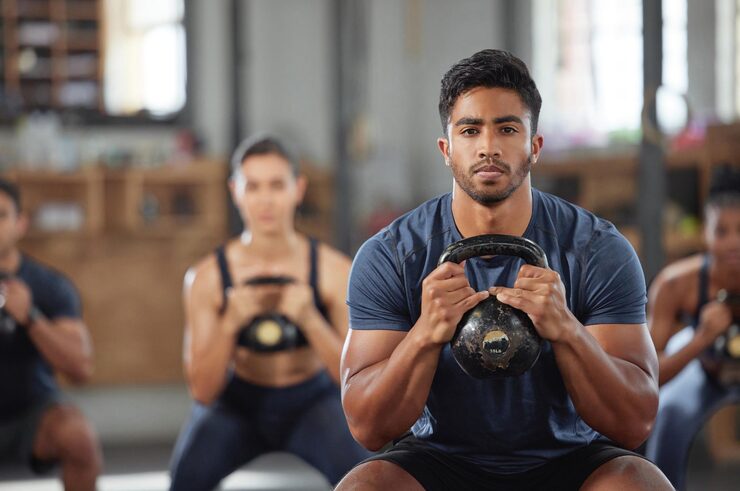
Athlete fitness training is a critical aspect of achieving peak performance in sports. Whether you are a professional athlete or a weekend sports enthusiast, a structured training program ensures your body performs optimally while minimizing the risk of injury. In 2025, the integration of science-based techniques, nutrition, and recovery protocols has transformed the way athletes approach fitness training.
For example, Arjun, a national-level sprinter, adopted a targeted fitness regimen combining strength training, cardio, and flexibility exercises. Within months, he noticed significant improvements in his sprint times and overall stamina. Stories like these underline the importance of well-planned athlete fitness training.
Why Athlete Fitness Training Matters
A well-rounded athlete fitness training program builds endurance, boosts strength, and enhances agility. Athletes who neglect proper training may face performance plateaus or increased injury risk. Training is not just about lifting weights or running laps—it encompasses sport-specific drills, functional exercises, and recovery strategies.
Professional coaches emphasize the importance of balancing different fitness elements. For instance, soccer players combine aerobic conditioning, strength workouts, and tactical drills to excel on the field. Similarly, swimmers focus on core strength, shoulder stability, and cardiovascular endurance to optimize stroke efficiency.
Components of Effective Athlete Fitness Training
High-performance athlete fitness training involves multiple elements tailored to the individual’s sport and goals:
-
Strength Training: Builds muscle power, improves posture, and enhances overall athletic performance.
-
Cardiovascular Conditioning: Increases stamina and supports prolonged high-intensity activity.
-
Flexibility & Mobility: Reduces injury risk and improves range of motion essential for specific sports.
-
Sport-Specific Drills: Simulate real-game scenarios to refine technique and agility.
-
Recovery Protocols: Include stretching, massage, hydration, and adequate sleep to allow muscle repair.
A balanced approach ensures that the athlete’s body is prepared for both short bursts of power and sustained activity.
Real-Life Examples of Athlete Fitness Training
Consider Meera, a professional badminton player. She combines plyometric exercises, resistance band training, and agility ladders to improve her reflexes and on-court performance. By focusing on strength, speed, and recovery, she remains competitive at international tournaments.
Similarly, Rohan, a marathon runner, uses high-intensity interval training and long-distance runs to enhance his cardiovascular endurance. Incorporating cross-training with cycling and swimming prevents overuse injuries while improving overall fitness. These real-life applications demonstrate how athlete fitness training can be personalized for maximum results.
Nutrition’s Role in Athlete Fitness Training
No athlete fitness training program is complete without proper nutrition. Athletes require a diet rich in protein, complex carbohydrates, healthy fats, vitamins, and minerals. Protein supports muscle recovery, while carbohydrates provide the energy necessary for intense training sessions. Hydration is equally vital to maintain performance and prevent fatigue.
Sports nutritionists often design meal plans aligned with training intensity and competition schedules. For example, pre-workout meals focus on easily digestible carbs, while post-workout meals include protein and electrolytes to support recovery. Such tailored nutrition enhances the effectiveness of fitness training programs.
Technology in Modern Athlete Fitness Training
The 2025 fitness landscape leverages technology to optimize athlete fitness training. Wearable devices track heart rate, sleep patterns, and calorie expenditure, providing actionable insights. Apps and virtual coaches offer personalized training plans, adjusting exercises based on performance data.
Athletes now use motion-capture systems to analyze biomechanics and refine their movements. This combination of technology and traditional training ensures precision, prevents injuries, and improves results efficiently.
Mental Fitness and Athlete Fitness Training
Physical training alone is insufficient. Mental strength is a crucial component of athlete fitness training. Visualization techniques, meditation, and cognitive exercises improve focus, resilience, and decision-making during competitions.
An example is tennis player Anjali, who integrates mindfulness exercises into her daily routine. She reports enhanced concentration and reduced pre-game anxiety, showcasing the importance of mental conditioning alongside physical fitness.
Creating a Personalized Athlete Fitness Training Plan
A successful athlete fitness training program is highly individualized. Factors such as age, sport, fitness level, injury history, and personal goals must be considered. A structured plan includes assessment, goal-setting, periodized training cycles, and regular performance reviews.
For instance, a sprinter’s plan focuses on explosive power, short-distance speed, and recovery, while a cyclist’s plan emphasizes endurance, leg strength, and cardiovascular efficiency. Continuous monitoring and adjustments ensure the athlete progresses safely and effectively.
Common Mistakes to Avoid
While following athlete fitness training programs, many athletes make mistakes like overtraining, neglecting rest days, and ignoring proper form. Overtraining can lead to burnout and injuries, while skipping warm-ups or cooldowns increases the risk of muscle strains.
Guidance from certified trainers and adherence to evidence-based protocols are crucial to avoid these pitfalls. Learning from experienced athletes and coaches helps beginners and professionals maintain consistency and effectiveness in their training journey.
Benefits of Consistent Athlete Fitness Training
The advantages of athlete fitness training extend beyond sport-specific improvements. Regular training boosts cardiovascular health, strengthens muscles, enhances flexibility, improves mental well-being, and increases overall energy levels.
Athletes also develop discipline, time management skills, and resilience. These qualities contribute not only to sports success but also to personal and professional growth in everyday life.
Read also:
f95
crichd
thespark shop wireless earbuds for gaming
noraxidbemosoz